Role of Moving Floor Technology in Modern Waste Processing Plants
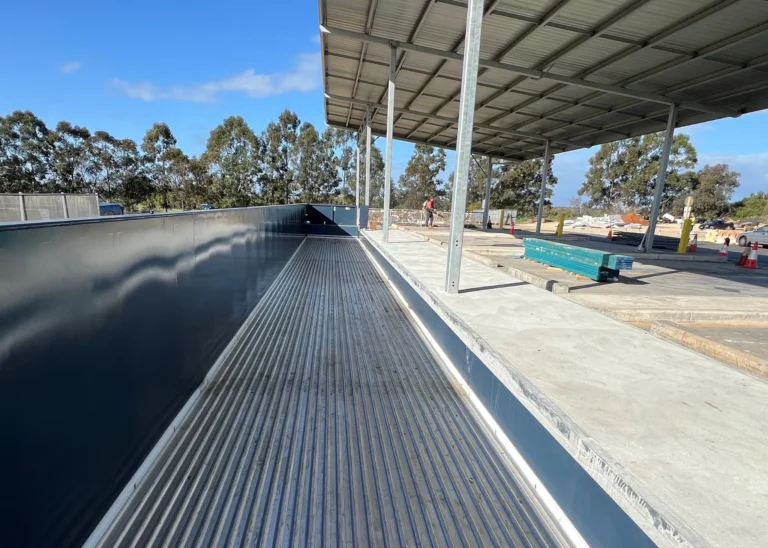
Modern waste processing plants are under constant pressure to handle higher waste volumes, improve recovery rates, and keep operations safer and more efficient. Moving floor technology plays a key role in meeting these demands by using hydraulically driven floor slats to automatically move bulky waste, recyclables, biomass, RDF, and other materials through receiving pits, bunkers, trailers, and downstream processing lines.
This blog will explain to you how moving floor systems help waste processing plants handle waste more efficiently. It also covers how these systems automatically move the materials, reduce manual work, and support faster loading and unloading.
Overview of Moving Floor Waste SystemsModern waste processing plants increasingly rely on moving floor technology, using hydraulic floor panels to ensure continuous, controlled material flow without heavy manual handling. The system reduces blockages, handles wet and industrial waste, lowers fuel use, dust, and equipment wear while improving safety and efficiency. It is widely applied in municipal waste, RDF production, biogas units, factories, and transport hubs, with OGTEC delivering advanced, efficient, and reliable waste management solutions. |
Challenges in Traditional Waste Handling Systems
Conveyor Belt Blockages
The real challenges with traditional conveyor belts are that they get stuck when handling wet waste, plastic materials, or large waste materials. These blockages stop the movement of the belts, increase cleaning work, and can create delayed processing, especially in facilities where managing mixed industrial waste every day.
Difficulty Handling High Waste Quantity
When a large amount of waste arrives at the same time, these old systems can’t move the waste quickly. Then the waste starts to pile up, unloading becomes slower, and the machine has to work harder than usual. This also causes delays in recycling and other processing work.
Increases Dust and Odour Issues
Most waste systems generate a significant amount of dust during handling and unloading, which often leads to unpleasant odours in the surrounding area. When waste is handled in open areas, and the system is not properly sealed, dust and bad smells spread easily instead of being contained. This makes the air inside the facility less clean, which can be harmful for workers and also means the place needs to be cleaned more often.
Heavy Fuel Consumption in Waste Facilities
Traditional waste facilities mostly use loaders and diesel machines to move all the waste materials. The continuous use of these machines also increases their fuel consumption, raising the operating cost, and also creates more pollution, especially in commercial and industrial waste management.
Wear and Tear from Rough Waste
A major construction and demolition waste challenge is encountering sharp metals, broken glass, and heavier construction materials that can damage the conveyor belts and rollers over time. Regular contact with such rough materials can increase repair costs and damage equipment much faster in the waste-handling industry.
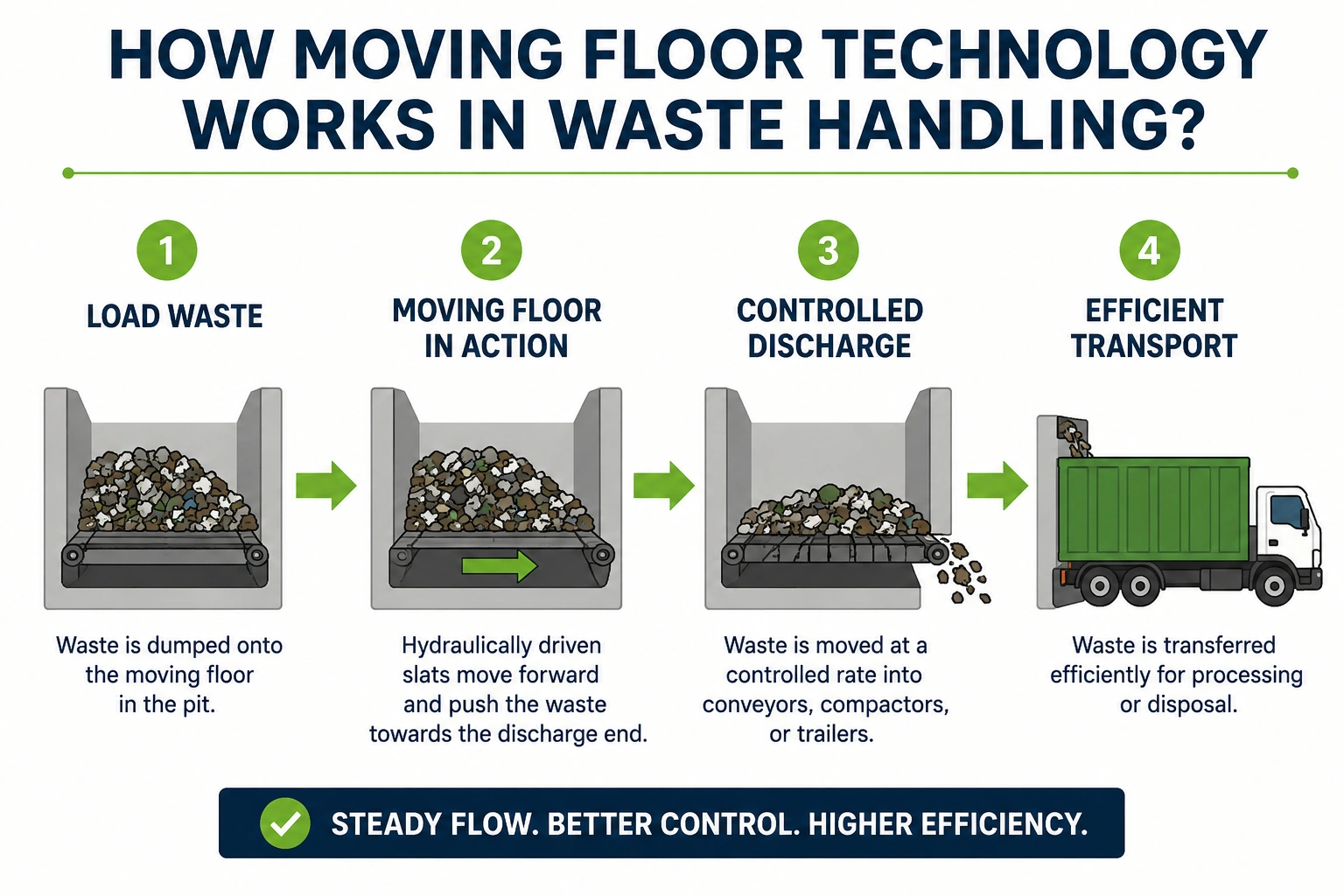
How Moving Floor Technology Works in Waste Handling?
Moving Floor Technology in waste handling is a system that uses moving floor panels to push waste forward for easy loading, unloading, and transport, making the process faster and safer.
How Moving Floor Technology Improves Waste Processing Efficiency?
Controlled Waste Flow into Processing Machines
Now waste management plants use waste management moving floors to send materials into the shredders and sorting machines at a steady pace. This controlled waste management prevents the machines from being overloaded, improves the sorting accurately, and helps facilities to maintain a smoother waste management system.
Easy Unloading in Low Clearance Areas
The moving floor system unloads the waste without any need to raise the trailer body in the air. This will help waste facilities operate safely in areas where material is unloaded, especially in low-ceilinged or small spaces where normal trailers cannot operate properly due to limited space for unloading.
Better Performance with Moist Waste
These floor systems can move all types of wet waste, like sludge and all organic waste, without causing any buildup inside them. These moving floors help keep the sticky material flowing smoothly, reduce cleaning work, and support waste management plants in maintaining stable waste flow operations.
Reduce Stress on Plant Manufacture
A primary moving floor role is to distribute the waste weight evenly rather than placing high pressure on one area. It reduces pressure on the floor and machine parts, which makes the system safer and smoother to run. This will help to protect the facilities’ floor, ramps, and any other areas from damage, which helps in lowering the repair requirements and supports safe operation in the waste processing.
Improved Waste Load Transportation
Moving floor trailers can carry more waste by using the full trailer space without a lifting system inside them. This can help in increasing the transportation efficiency, reducing the number of trips, and help waste facilities manage different industrial waste streams easily. It can also reduce and move the large amount of waste material from the processing and recycling sites.
Applications of Moving Floor Systems in Waste Processing Plants
Municipal Solid Waste Receiving and Feeding
Moving floor systems are used in waste collection pits to move mixed municipal waste toward shredders and compactors. This will help to keep the waste flowing steadily and help prevent sudden overloading of the machines used for processing.
Material Recovery Facilities
In recycling plants, they help to move materials such as paper, plastics, and metals from storage areas to the conveyors. This reduces the need for loaders and makes material sorting faster and more organised. For more details, you can also read our blog on the Single-Shaft Shredder Guide.
Waste-to-Energy Processing Plants
These systems supply RDF, biomass, or processed waste into burning or fuel-preparation areas at a steady rate. A smooth, constant feed is important because an uneven supply of waste can reduce plant efficiency and lower energy output.
Organic Waste Management Plants
Moving floors handle all green waste, food waste, and compost materials, which reduces manual handling. They are useful because most of the organic waste is wet and difficult to move using regular conveyors.
Waste Handling Transfer and Loading Stations
These systems are used to move waste into containers or walking-floor trailers for transport. This makes the loading process faster, reduces waiting time, and helps make the transfer process safer and more efficient.
Conclusion
Modern waste management plants need a faster and more efficient system to manage different types of waste every day. This is why modern moving floor technology helps improve waste movement and handling of all the various operations. Here, OGTEC provides smart moving floor solutions that will support smoother workflow, better productivity, and reduce any delay. We also help industries manage waste more effectively while improving overall system performance. So, partner with OGTEC for efficient large-scale industrial operations today!
FAQ’s
Q1. What happens if oversized waste enters a moving floor trailer?
It does not get stuck easily. Even big waste like wood pieces or heavy items are slowly pushed forward by the moving floor and safely unloaded without blocking the system.
Q2. Can moving floor systems operate for continuous 24/7 plant cycles?
Yes, moving floor systems can run all day and night. They use hydraulic power to keep moving waste smoothly, helping big waste plants work without stopping or breaking down often.
Q3. Can these modern floor systems operate inside enclosed waste bunkers?
Yes, moving floor systems can be used in closed waste bunkers. They don’t need any extra height, so they can easily unload waste in small or low-roof spaces.
Q4. How is waste blockage avoided when it is handling moist organic materials?
Moving floor systems stop wet waste from getting stuck by slowly moving it all the time. This helps maintain material flow and ensures it unloads smoothly without blocking.
Q5. What safety interlocks are used during moving floor operation when in enclosed waste pits?
These moving floor systems have safety features like stop buttons, door sensors, and overload protection. These stop the system when something feels unsafe, helping protect workers and equipment during operation.