How Industrial Paper and Cardboard Recycling Is Reducing the Energy Footprint in Manufacturing Processes
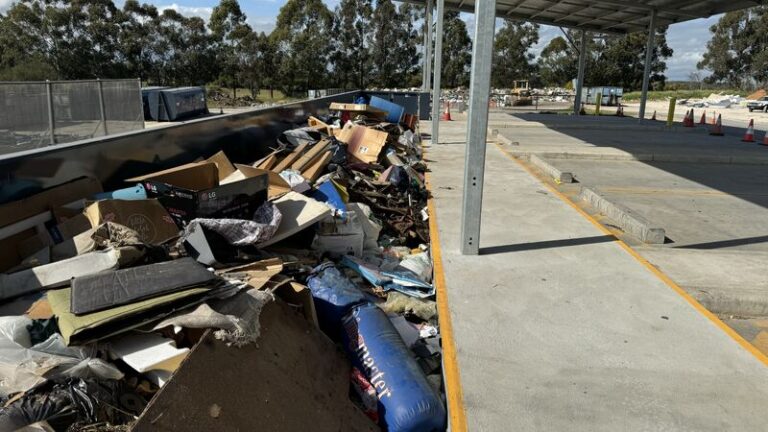
Paper and cardboard packaging achieved a large recovery rate in Australia in 2021–22, making it one of the country’s most recovered packaging materials. This heavy energy demand, coupled with deforestation and high greenhouse gas emissions, poses a serious challenge for industrial sustainability. At the same time, rising material costs and supply chain disruptions have made traditional paper production less viable. This is why, in response to these challenges, many industries are increasingly recognising the benefits of recycling paper and cardboard and adopting circular economy models and sustainable technologies.
This article explores the impact of waste paper and cardboard on the environment and the modern recycling technologies that are transforming industrial sustainability while reducing the carbon & energy footprint in manufacturing.
Sustainable Paper Recycling: Key InsightsIndustrial paper and cardboard recycling can support resource recovery, circular manufacturing, and more efficient waste management. Australia generated 4.9 million tonnes of paper and cardboard waste in 2022–23, highlighting the scale of recovery opportunities. Modern approaches such as efficient deinking, advanced pulping, low-carbon drying, water recycling, and carbon capture can improve processing. Effective sorting and fibre recovery further help transform collected materials into valuable manufacturing resources and new paper-based products. |
Understanding the Energy Footprint of Waste Paper and Cardboard in the Manufacturing Industry
The paper and cardboard industry is a major energy consumer. In 2022–23, Australia generated an estimated 75.6 million tonnes of waste, including 4.9 million tonnes of paper and cardboard
Energy Requirements of Traditional Recycling Methods
Australia’s national resource recovery rate was 66% in 2022–23, with recycling accounting for 63% of total waste generation.
Water-intensive processes consume between 7,000–50,000 gallons of water per ton, depending on the type of paper.
The deinking and re-pulping stages require large amounts of electricity and chemical treatments, further increasing the energy footprint.
In 2021–22, paper and cardboard packaging had a 68% recovery rate in Australia, the highest recovery rate among the major packaging materials reported by the Australian Government. These reductions help mitigate industrial emissions and conserve resources.
In 2021–22, Australia consumed approximately 3.65 million tonnes of paper and cardboard packaging and recovered about 2.50 million tonnes, resulting in a 68% recovery rate. These figures underscore the importance of efficient recycling systems in reducing the manufacturing industry’s energy footprint.
Build a smarter, more sustainable recycling operation with tailored resource recovery solutions designed for efficiency, performance, and long-term results! |
Modern Paper and Cardboard Recycling Techniques Reducing Carbon Footprints
Australia is expanding its recycling infrastructure: more than 50 new and upgraded recycling facilities had been completed under the Recycling Modernisation Fund by June 2025, with an estimated additional capacity to divert 500,000 tonnes of material from landfill each year, including paper and cardboard. Here are the key modern techniques:
Energy-Efficient Deinking Technology
Deinking is the process of removing ink, adhesives, and coatings from recycled paper to produce high-quality pulp. Modern industrial waste recycling types ensure that materials are processed efficiently.
Froth Flotation Deinking
Froth flotation deinking is a process where air bubbles lift ink and other impurities to the surface, allowing them to be skimmed off. It involves adding surfactants to create fine bubbles that attract ink particles. The ink-laden bubbles rise to the surface, leaving behind cleaner paper fibres.
Eco-Friendly Surfactants
Eco-friendly surfactants are biodegradable chemicals that help separate ink and coatings from recycled paper fibres. Unlike traditional surfactants, which can contribute to water pollution, these alternatives easily loosen ink particles. By using plant-based or biodegradable surfactants, industrial recycling plants can maintain high drinking performance while minimising harm to aquatic ecosystems and reducing chemical waste.
High-Efficiency Pulping
Pulping is the process of breaking down recycled paper and cardboard into fibres, which can be reused in the production of new paper products. Traditional pulping methods often damage fibres or require high energy input.
Low-Consistency (LC) Pulping
Low-consistency (LC) pulping is a method where the fibre-to-water ratio remains low, typically around 3-5%. It utilises a rotor to generate turbulence, gently breaking down fibres without significantly degrading them. This method requires less energy than high-consistency pulping.
Drum Pulpers
Drum pulpers are large, rotating cylindrical machines that continuously process waste paper into pulp. They work by gently tumbling paper with water, allowing fibres to separate while minimising mechanical damage. It is particularly effective for mixed waste paper because it helps remove contaminants such as plastic, staples, and adhesives.
Enzyme-Based Pulping
This process is closely linked to organic recycling as it harnesses natural biological components to enhance sustainability. This pulping technique utilises biological catalysts to break down cellulose fibres in recycled paper. Unlike traditional chemical pulping, which relies on harsh substances, this method introduces specific enzymes that weaken the fibre bonds, making separation easier.
Low-Carbon Drying
Drying recycled pulp is one of the most energy-intensive stages in paper production. Some low-carbon drying technologies are:
Infrared (IR) Drying
Infrared (IR) drying uses infrared radiation to directly heat and evaporate moisture from recycled paper pulp. IR drying systems consist of specialised emitters that generate shortwave or medium-wave radiation, which penetrates the pulp and removes water quickly. Additionally, IR drying provides precise temperature control, preventing fibre damage and improving the overall quality of recycled paper products.
Superheated Steam Drying
Superheated steam drying involves using high-temperature steam to remove moisture from paper pulp efficiently. This consists of a closed chamber where steam, heated above its boiling point, rapidly evaporates method water from the pulp.
Heat Recovery Systems
Heat recovery systems capture and reuse excess heat generated during the paper and cardboard recycling process. These systems consist of heat exchangers, condensers, and thermal storage units that collect waste heat from dryers, pulpers, and boilers. The recovered heat is then redirected to preheat incoming materials or water, decreasing greenhouse gas emissions while maintaining high productivity.
Advanced Water Recycling Systems
Water is essential in paper and cardboard recycling, but excessive use leads to resource depletion and wastewater pollution. Proper industrial waste management solutions, such as advanced water recycling systems, help mitigate these challenges.
Membrane Filtration Systems
Membrane filtration systems use fine-pore membranes to separate contaminants from wastewater, allowing clean water to be reused in the waste paper recycling process. These consist of microfiltration, ultrafiltration, and reverse osmosis membranes that remove suspended particles, ink residues, and dissolved chemicals. It ensures a more efficient and sustainable recycling process while reducing pollution and operational costs in paper mills.
Closed-loop Water Systems
Closed-loop water systems recycle and reuse water within the paper recycling plant, preventing wastewater from being discharged into the environment. It includes filtration, chemical treatment, and sedimentation processes that remove impurities, allowing the same water to be used multiple times.
Zero Liquid Discharge (ZLD) Technology
Zero liquid discharge (ZLD) technology ensures that no wastewater is released from a recycling plant by completely recovering and treating water. The evaporators, crystallisers, and filtration units in it remove impurities, leaving behind solid waste while recovering purified water for reuse.
Carbon Capture and Utilisation (CCU) in Paper Mills
Carbon capture and utilisation (CCU) technologies help paper mills reduce their greenhouse gas emissions by capturing CO₂ and repurposing it for useful applications.
CO₂ Capture Systems
CO₂ capture systems trap carbon dioxide emissions from paper and cardboard recycling plant chimneys before they enter the atmosphere. These systems consist of chemical absorption units, membranes, and storage tanks that collect and concentrate CO₂. The captured gas can then be stored underground or repurposed for industrial use.
Algae-Based Carbon Capture
Algae-based carbon capture uses microalgae to absorb CO₂ emissions from paper mills. These algae grow in bioreactors or open ponds, converting CO₂ into oxygen and biomass. The harvested algae can be processed into biofuels, fertilisers, or animal feed.
Carbon Utilisation for Chemicals
Carbon utilisation for chemicals involves converting captured CO₂ into useful chemical compounds such as methanol, carbonates, and synthetic fuels. These processes use catalysts and biochemical reactions to transform CO₂ into industrial products, reducing dependence on fossil fuels.
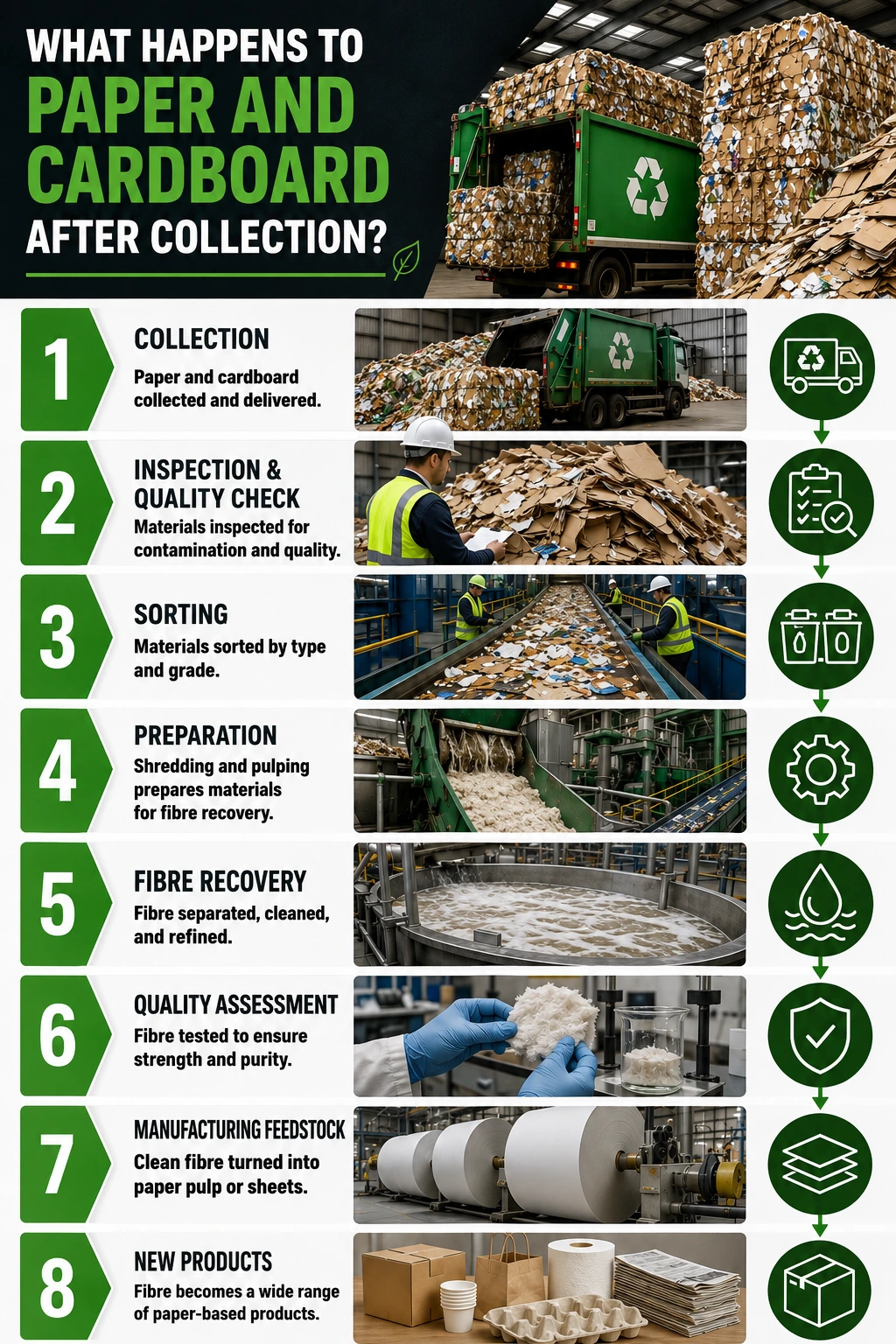
What Happens to Paper and Cardboard After Collection?
Once paper and cardboard are collected, they go through several carefully managed stages before becoming valuable manufacturing resources. Understanding this journey reveals how sorting, preparation, fibre recovery, and quality checks support efficient material recovery.
An Overview of Modern Recycling Techniques & Carbon Footprint Reduction Impact
Technology | How It Helps Reduce Carbon Footprint |
High-Efficiency Pulping | Reduces energy and water usage, minimising emissions from pulping processes. |
Energy-Efficient Deinking | Lowers chemical dependency and prevents harmful waste discharge. |
Advanced Water Recycling | Reduces fresh water demand, preventing water wastage and pollution. |
Low-Carbon Drying Technology | Minimises fuel consumption during drying, reducing energy waste. |
Carbon Capture & Utilisation (CCU) | Captures CO₂ before it is released, preventing emissions from reaching the atmosphere. |
Wrapping Up!
Recycling is essential for a sustainable future, and paper and cardboard are among the most valuable materials to recover. But managing these different waste paper and cardboard materials effectively takes the right equipment, expertise, and a solid understanding of the recycling process. At OGTEC, we have a proven track record of designing, manufacturing, and installing high-efficiency recycling plants throughout Australia, helping businesses optimise material recovery while achieving strong returns on investment.
Turn your waste challenges into smarter recycling opportunities with OGTEC’s tailored solutions, expert guidance, and sustainable technology for your operation! |
FAQ’s About Paper and Cardboard Recycling
Q1. How many times can paper fibres be recycled?
Paper fibres can generally be recycled several times, but they become shorter and weaker each time they are processed. Eventually, the fibres may become too short for producing strong paper products, which is why mills often combine recovered fibres with virgin fibre to maintain product strength and quality.
Q2. Why is contamination a problem in paper and cardboard recycling?
Contamination can reduce the quality and value of recovered fibre. Food residue, plastics, metals, adhesives, liquids, and other unwanted materials can interfere with sorting and processing, increase equipment wear, and create additional waste that must be removed from the recycling stream.
Q3. How is recycled paper separated from other waste materials?
Industrial facilities typically use a combination of mechanical and automated sorting methods. Screens can separate materials according to size, while magnetic and other separation technologies can remove certain contaminants. Optical sorting systems may also identify materials based on their physical characteristics.
Q4. What happens to paper and cardboard that cannot be recycled?
Materials that are too contaminated, degraded, or unsuitable for fibre recovery may be directed toward other waste-management pathways. Depending on their composition and local infrastructure, these materials may undergo energy recovery, treatment, or disposal rather than being converted into new paper products.
Q5. What products can be made from recycled paper and cardboard?
Recovered fibres can be used to manufacture products such as corrugated packaging, paperboard, tissue products, recycled paper, moulded fibre packaging, and other fibre-based materials. The final application depends on fibre quality, contamination levels, and the requirements of the manufacturing process.