How Walking Floor Systems Are Changing Bulk Unloading
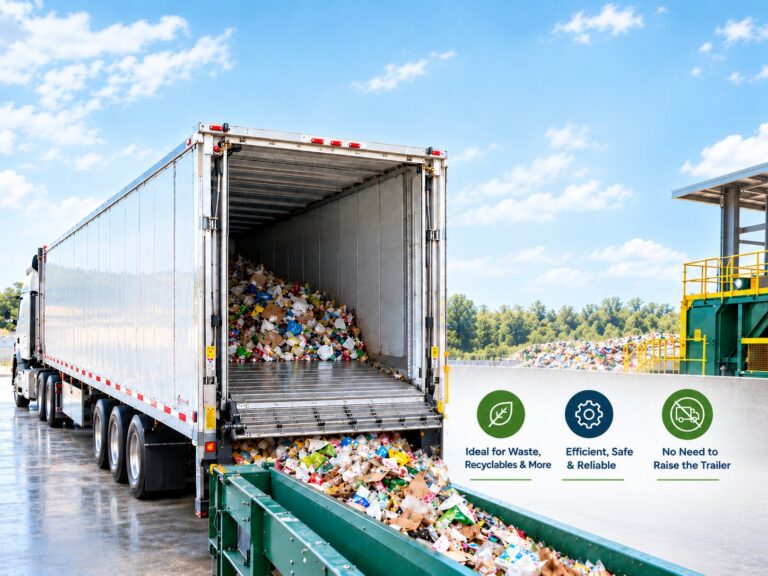
Bulk unloading is changing as waste and recycling facilities adopt systems that manage effective material discharge. A walking floor trailer moves cargo loads horizontally through coordinated floor slats instead of raising its body. This technology unloads the material effectively while the trailer remains level, useful for areas with limited overhead clearance or indoor loading. You can easily handle materials like loose waste, recyclables, and wood chips. In this guide, you will learn how walking floor technology works, where it fits into waste operations, and how it makes bulk loading more efficient.
Overview of Modern Bulk Unloading SystemsWalking floor trailer systems improve bulk unloading by moving suitable materials horizontally through hydraulically powered floor slats, eliminating the need to raise the trailer body. They can support waste management and recycling operations by facilitating controlled discharge, reducing additional handling steps, and connecting transport with conveyors, storage areas, and compactors. Effective performance depends on material compatibility, site layout, safe operating procedures, and regular maintenance to maintain reliable material movement. |
What Is a Walking Floor System?
A walking floor system is a mechanical unloading equipment that is fitted inside a trailer or material transport unit. Its multiple floors help push cargo in a sequenced manner towards the discharge end. There is no need for a vehicle to raise its body to release the load.
Moreover, the system is suitable for materials such as wood chips, green waste, biomass, paper, and selected recyclable materials. The cargo’s weight, size, abrasiveness, and handling requirements may require an appropriate design. Also, the floor mechanism must be compatible with the material to avoid operating problems.
A walking floor trailer also helps discharge suitable loads without requiring a tipping angle. This is helpful when vehicle movement is not possible due to overhead clearance and ground conditions.
Need more effective management of material unloading and transfers? Get a solution that combines floor systems, compactors, and other equipment to fulfil your site’s needs |
Traditional Bulk Unloading Methods and Their Limitations
Traditional unloading methods remain important for many materials, but they are not suitable for every facility or transport requirement. You need to consider various things, such as available space, material type, handling time, and required equipment to receive the load.
Tipping Trailers
Tipping trailers raise their bodies, so gravity moves cargo toward the discharge opening. This method is effective for many bulk loads, but there should be overhead clearance and a stable unloading surface to support safe operations.
Unloading in horizontal format can also be useful when raising a trailer body is impractical. However, you should also consider load, vehicle design, and site layout.
Manual Handling and Additional Equipment
Sometimes, material needs workers, loaders, forklifts, and other machinery to reposition loads. These additional steps may increase labour needs and injury risk during equipment movement.
Facilities are responsible for assessing whether material is ready to move before going to the next step of processing. Read Conveyor Systems vs Manual Handling to get brief details to choose appropriate equipment.
Delays Between Processing Stages
Material often accumulates at the receiving point when the vehicle cannot discharge efficiently. It interrupts downstream sorting and processing activity while causing delays for other vehicles.
Also, safe unloading requires clear traffic routes, suitable ground conditions, and separation between pedestrians and vehicles. Safe Work Australia recommends identifying traffic hazards and enforcing appropriate controls for workplace operations.
How Walking Floor Technology Works
Walking floor trailers use hydraulic power to move their floor slats in a sequence. It pushes the material toward the rear of the trailer, then resets to continue until the load is fully discharged.
Loading and Relocating
Workers load the trailers according to their weight limit and manual instructions. You also have to check whether the load is spread correctly and the floor is suitable for the material. The driver positions the vehicle in a way so that the material leaves the trailer efficiently. At the unloading site, it provides proper space without blocking vehicle routes or nearby equipment.
Moving Material Out of the Trailer
You must check that the area is capable of requiring operating steps before the unloading process. The speed of unloading also depends on the type of material and capacity of the receiving point. If you match the loading rate to the receiving equipment, it may prevent material from building up faster than it can handle.
Connecting with Other Equipment
Material may move into a storage area, sorting line, conveyor, or compactor after leaving the trailer. Each piece of equipment must be capable of handling the material type and amount.
For example, industrial compactors for modern industrial waste handling compress suitable waste into a smaller volume for easy handling and storage. Where a walking floor system moves out material from the trailer, the compactor helps in compressing.
To learn more about how modern equipment improves waste management, read Advanced Recycling Technologies Transforming Industrial Waste Disposal.
Inspection and Maintenance
Regular checks help maintain the equipment’s performance. You must notice unusual noises, fluid leaks, uneven floor movement, or visible damage. Fixing these problems early can help you use the equipment without any interruptions.
How Walking Floor Systems Improve Bulk Unloading
Walking floor systems streamline bulk unloading by using hydraulic floor slats to move materials towards the rear of a trailer without raising its body. The process includes loading suitable materials, activating the moving floor, directing the load into a designated receiving area, and transferring it to conveyors or other processing equipment. Key operational benefits include controlled material discharge, reduced reliance on tipping, and potential integration with downstream recycling and waste management systems.
Conclusion
Now, you know how walking floor technology works to unload suitable bulk materials. This is very useful when available space or site conditions make traditional tipping difficult. However, having the right equipment can suit material type, unloading area, and operation requirements.
OGTEC offers equipment for waste and recycling facilities such as transfer station solutions, conveyors, and compactors. We also help with material types, site layout, and processing needs while choosing tailored equipment for your business.
Not sure which equipment can improve material handling at your facility? Speak with our OGTEC team to find suitable options for your operation |
Frequently Asked Questions About Walking Floor Systems
Q1. Can OGTEC design a waste-handling setup around an existing recycling plant?
Yes, OGTEC offers custom retrofit and upgrade plants to work with existing facilities to meet their processing requirements.
Q2. Does OGTEC help with after-waste-handling equipment installations?
Yes, OGTEC helps customers with after-sales support, maintenance services, and access to equipment parts for effective processing operations.
Q3. Can OGTEC design equipment layouts for sites with limited space?
OGTEC develops customized designs based on available space, site conditions, waste streams, and operational needs. A suitable site layout can also be determined through site-specific assessment.
Q4. How does OGTEC improve the movement of materials between different processing stages?
OGTEC designs waste-industry conveyors and integrated processing systems, helping material move through different stages of a recycling process.
Q5. Can OGTEC develop solutions for different types of industrial waste?
Yes, OGTEC implements systems for different waste streams, such as construction and demolition waste, commercial and industrial waste, paper, plastics, glass, biomass, and organic waste.