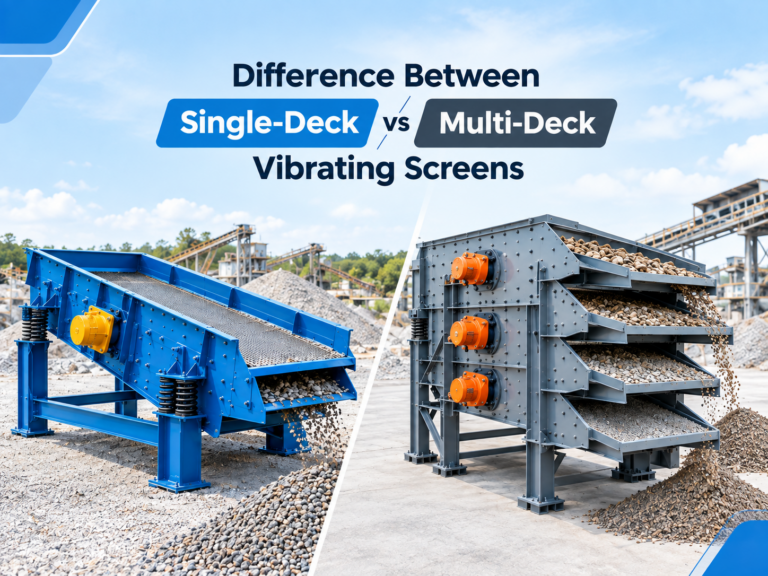
Difference Between Single-Deck vs Multi-Deck Vibrating Screens
Vibrating screens are the backbone of material separation across mining, aggregate, recycling, and processing industries, sorting bulk materials into precise
At OGTEC, we understand this material stream very well and the challenges there are in successfully processing it. We have designed, manufactured and installed plants throughout Australia with excellent outcomes for our customers and their return on investment.
Skip bin material generally consists of a combination of commercial and industrial (C&I) material and construction and demolition (C&D) material. This includes concrete, bricks, soil, timber, plastic, steel, cardboard and waste.
Our plants are constructed to process this diverse range of materials utilising equipment specifically suited for this application and understanding the process needed to maximise material recovery and plant efficiency.
Collaborating with equipment brands such as Lindner, Spaleck, and Cross Wrap ensures global knowledge is shared and put to practice in our designs.
Screens are used to further separate the material into multiple material size streams which can then be further processed to produce a clean output product. Generally the screens used are rigid deck vibrating screens for the larger material and flip flow screens for the smaller fraction material.
Windshifters are used to separate the light fraction material from the heavy fraction material in after it has been screened into its size range. The windshifter uses air flow to blow the light material away from the heavy material thus increasing the quality of the heavy material.
The optical sorter uses near-infrared (NIR) technology to determine the material type( composition of the material). It detects the material type as it passes under the NIR sensor on a high-speed conveyor and then uses air to shoot the material into the correct sorting category. The optical sorter can be used for various types of materials with high precision and improves the sorted materials’ purity.
Used to remove ferrous metals (steel) from the recycling stream. Magnets are generally positioned in multiple positions through the plant to ensure as much ferrous material is removed and recovered. The magnet lifts and transfers the ferrous material out of the material stream as it passes under the magnet.

Vibrating screens are the backbone of material separation across mining, aggregate, recycling, and processing industries, sorting bulk materials into precise

Walk into any busy warehouse or manufacturing plant, and you’ll see it: overflowing bins, wasted floor space, and staff pulled
Modern waste processing plants are under constant pressure to handle higher waste volumes, improve recovery rates, and keep operations safer
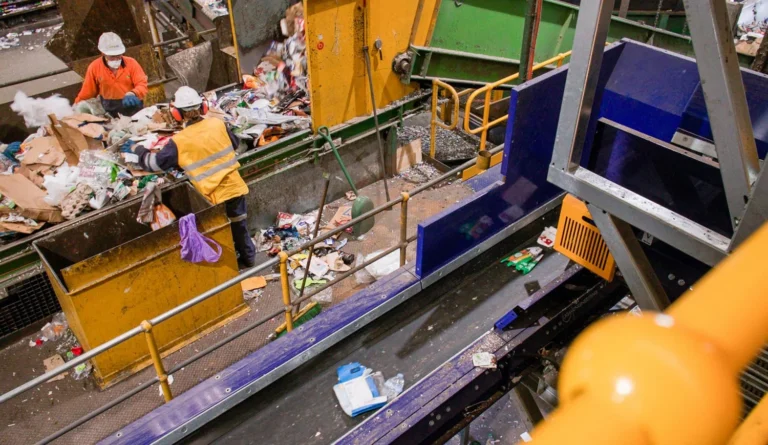
Managing commercial waste materials can be a lot more difficult. Most of the businesses face problems like waste collection at

As glass is one of the few materials that can be recycled endlessly without losing quality, global recycling performance is

It doesn’t matter if you are into construction, food processing, or retail; as a business owner in Australia, you’ve probably